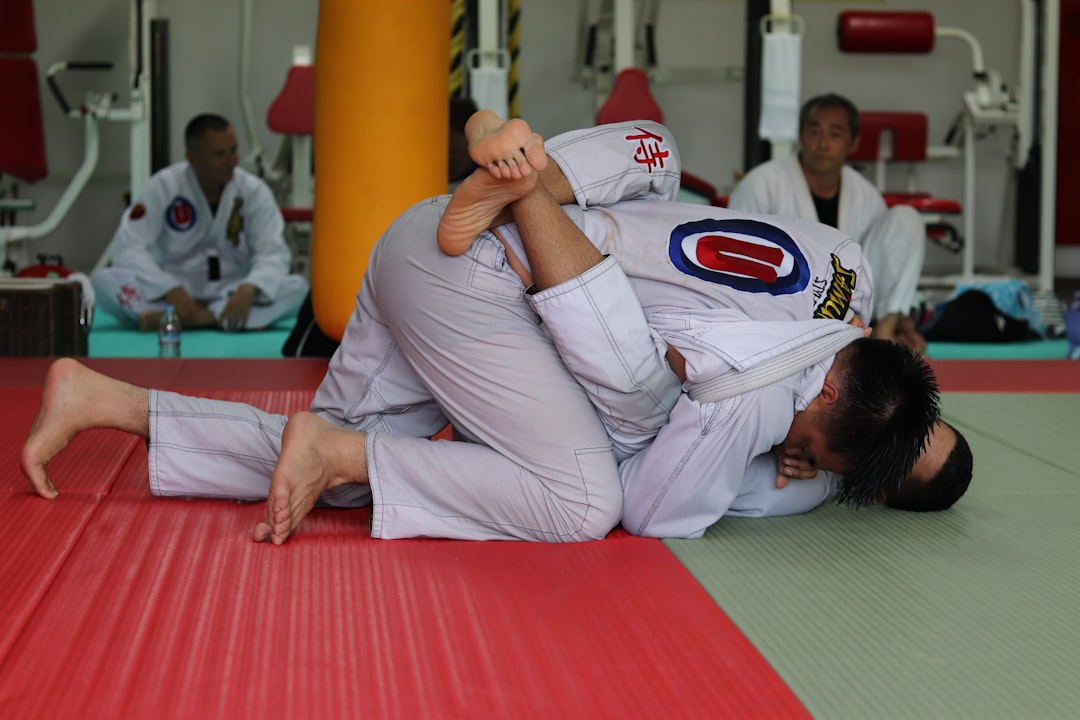
Multi-Style Belt Tracking for Martial Arts Schools
If your dojo teaches multiple disciplines — karate, BJJ, taekwondo, or a combination — managing belt progressions across different styles is a genuine operational challenge. Each style has its own ranking system, requirements, and timeline. Martial arts software designed for multi-style schools lets you track students across disciplines in one place, ensuring no promotions are missed and every student’s journey is properly documented. This guide covers the major martial arts belt systems so you understand what you’re tracking — and how they differ.
Picture this: a new student walks into your dojo, excited to begin their martial arts journey, and immediately asks, “How long until I get my black belt?” As a martial arts instructor, you know the answer isn’t simple—it depends entirely on the discipline, the specific martial arts belt order system you follow, and the individual student’s dedication. With over 200 different martial arts styles worldwide, each with unique ranking systems, understanding belt progression is crucial for both instructors and students navigating their martial arts path.
Whether you’re managing a traditional karate dojo or a modern mixed martial arts gym, having a clear grasp of various belt ranking systems helps you better serve your students and establish credible progression pathways in your school.
Understanding Martial Arts Belt Systems
The colored belt system that defines martial arts belt order today originated in judo, introduced by Jigoro Kano in the 1880s. Before this innovation, many traditional martial arts used no visible ranking system, or relied on certificates and titles that weren’t immediately apparent during training.
The belt system serves multiple purposes beyond simple hierarchy. It provides students with clear, achievable goals, helps instructors organize classes by skill level, and creates a visual representation of progress that motivates continued training. For school owners, a well-structured belt system becomes an essential tool for student retention and program development.
Modern martial arts software solutions have revolutionized how schools track student progress through these ranking systems, making it easier than ever to maintain accurate records and ensure consistent promotion standards.
Karate Belt Order: The Foundation System
Karate’s belt order remains the most widely recognized martial arts ranking system globally. The standard progression typically follows this sequence:
Kyu Grades (Student Ranks)
- White Belt (10th Kyu)
- Yellow Belt (9th Kyu)
- Orange Belt (8th Kyu)
- Green Belt (7th-6th Kyu)
- Blue Belt (5th-4th Kyu)
- Brown Belt (3rd-1st Kyu)
Dan Grades (Black Belt Ranks)
- 1st Dan (Shodan) through 10th Dan
However, this system varies significantly between karate styles. Shotokan karate might use only white, yellow, green, brown, and black belts, while Kyokushin includes orange and blue. Some schools add stripe systems within each belt level to mark incremental progress.
The time between promotions typically ranges from 3-6 months for early ranks, extending to 1-2 years between brown belt levels, and 3-5 years between black belt degrees. These timelines help instructors using karate school software plan promotion cycles and track student development accurately.
Taekwondo Ranking Systems
Taekwondo presents one of the most colorful belt progressions in martial arts, though it varies between World Taekwondo (WT) and International Taekwon-Do Federation (ITF) systems.
World Taekwondo System:
- White
- White with Yellow Stripe
- Yellow
- Yellow with Green Stripe
- Green
- Green with Blue Stripe
- Blue
- Blue with Red Stripe
- Red
- Red with Black Stripe
- Black (1st Poom/Dan and above)
ITF System:
- White
- Yellow
- Green
- Blue
- Red
- Black
The Poom system in WT Taekwondo creates an additional complexity, where practitioners under 15 receive Poom ranks (indicated by red-black belts) rather than full Dan ranks. This system requires careful tracking, making dojo management software essential for schools managing large youth programs.
Brazilian Jiu-Jitsu Belt Progression
Brazilian Jiu-Jitsu follows perhaps the most stringent belt progression in modern martial arts, with only five belt colors for adults:
- White Belt

- Blue Belt (typically 1-2 years)

- Purple Belt (2-3 years minimum)

- Brown Belt (1-2 years minimum)

- Black Belt (varies, but rarely under 8-10 years total)
BJJ’s unique approach includes degree stripes on each belt, with four stripes typically earned before promotion to the next belt color. The system emphasizes practical application over time served, making promotion timelines highly variable based on training frequency, natural aptitude, and competition performance.
Children’s programs use additional belt colors (grey, yellow, orange, green) with age-specific promotion requirements that transfer into the adult system at 16 years old.
Judo Belt Order and Traditions
As the originator of modern belt systems, judo maintains a relatively simple progression:
Kyu Grades:
- White (6th Kyu)
- Yellow (5th Kyu)
- Orange (4th Kyu)
- Green (3rd Kyu)
- Blue (2nd Kyu)
- Brown (1st Kyu)
Dan Grades:
- Black (1st-5th Dan)
- Red and White (6th-8th Dan)
- Red (9th-10th Dan)
Judo’s promotion system emphasizes competition results, technical knowledge, and teaching ability, particularly at higher dan grades. The International Judo Federation sets global standards, though national federations may modify requirements for local programs.
Mixed Martial Arts and Modern Systems
MMA gym software users often face unique challenges since mixed martial arts doesn’t follow a traditional belt system. Many MMA schools adapt existing systems or create hybrid approaches:
Some schools use a simplified system:
- White (Beginner)
- Blue (Intermediate)
- Purple (Advanced)
- Brown (Expert)
- Black (Instructor)
Others focus on skill-based certifications in specific areas like striking, grappling, and fight strategy, rather than overall belt ranks. This approach allows students to progress at different rates in various aspects of MMA training.
Managing Belt Systems in Your School
Effective belt system management requires consistent standards, clear requirements, and accurate record-keeping. Modern martial arts schools benefit from digital solutions that track student progress, manage promotion requirements, and maintain historical records.
Key elements of successful belt system management include:
Standardized Requirements: Document specific techniques, sparring proficiency, and knowledge requirements for each rank. This ensures consistency across instructors and provides students with clear expectations.
Regular Testing Schedules: Establish predictable promotion cycles that give students goals to work toward while maintaining program momentum.
Progress Tracking: Use martial arts CRM systems to monitor individual student development, identify those ready for promotion, and flag students who might need additional support.
Financial Integration: Connect belt promotions with your billing system to manage testing fees and new belt costs efficiently through martial arts billing software.
Adapting Traditional Systems for Modern Schools
Many successful martial arts schools modify traditional belt orders to better serve their student base and community. Common adaptations include:
Stripe Systems: Adding tape stripes between belt colors creates more frequent recognition opportunities, particularly important for youth programs where motivation depends on regular acknowledgment.
Split Testing: Breaking complex rank requirements into smaller, more manageable tests helps students stay motivated and provides more revenue opportunities for schools.
Cross-Training Recognition: Schools teaching multiple disciplines might create unified systems that acknowledge students’ progress across different arts, appealing to modern practitioners who want diverse training.
Adult vs. Youth Systems: Implementing separate progression tracks for different age groups, with appropriate physical and mental requirements for each demographic.
International Variations and Considerations
Belt orders can vary significantly between countries and organizations, even within the same martial art. For example, European karate schools might use different color progressions than their American counterparts, while maintaining the same technical requirements.
Schools with international affiliations must balance local preferences with organizational standards. Some considerations include:
- **Cultural Preferences**: Certain colors may have different meanings in various cultures

- **Practical Concerns**: Belt availability and cost in different markets

- **Competition Requirements**: Ensuring student ranks transfer appropriately for tournaments
FAQ
How long does it take to earn a black belt in most martial arts? The timeline varies dramatically by discipline and school. Karate typically takes 4-6 years with consistent training, while Brazilian Jiu-Jitsu averages 8-12 years. Taekwondo might require 3-5 years, depending on the organization. Factors include training frequency, natural aptitude, school standards, and whether you’re training as an adult or child.
Why do different martial arts schools have different belt colors? Variations exist due to different founding organizations, cultural preferences, and practical considerations. Some schools modify traditional systems to better motivate students or reflect their specific teaching methodology. There’s no universal standard, so each school typically follows their parent organization or creates their own system.
Can you skip belt ranks in martial arts? Most traditional schools don’t allow rank skipping, as each level builds essential skills and knowledge. However, some schools offer accelerated programs for dedicated students or those with prior experience. Military veterans or students with backgrounds in related martial arts might progress faster through early ranks.
What’s the difference between adult and child belt systems? Many schools use different systems for children and adults. Youth programs often include more belt colors to provide frequent recognition and maintain motivation. Adult systems typically have fewer ranks with longer intervals between promotions, reflecting different learning patterns and motivational needs.
How do you maintain belt ranking standards across multiple instructors? Successful schools document specific requirements for each rank, conduct regular instructor meetings to ensure consistency, and often require senior instructor approval for promotions. Digital tracking systems help maintain standards by providing detailed progress records and promotion histories for review.
Conclusion
Understanding martial arts belt order systems is essential for any school owner or instructor serious about providing structured, meaningful progression for their students. Whether you’re running a traditional karate dojo or a modern MMA facility, clear ranking systems provide the framework for student development and school success.
The key lies not in perfectly following any single traditional system, but in creating consistent, motivating progression pathways that serve your students and community. Modern technology makes managing these systems easier than ever, allowing you to focus on what matters most—developing skilled, confident martial artists.
Ready to streamline your belt ranking system? MyDojo’s comprehensive management platform helps martial arts schools track student progress, manage promotions, and maintain consistent standards across all programs, making your ranking system work as hard as your students do.
Related Articles
- Martial Arts Software — manage belt progressions across multiple disciplines
- Karate Belt Order Complete Guide — detailed guide to the karate ranking system
- Types of Martial Arts — choosing disciplines to offer at your school