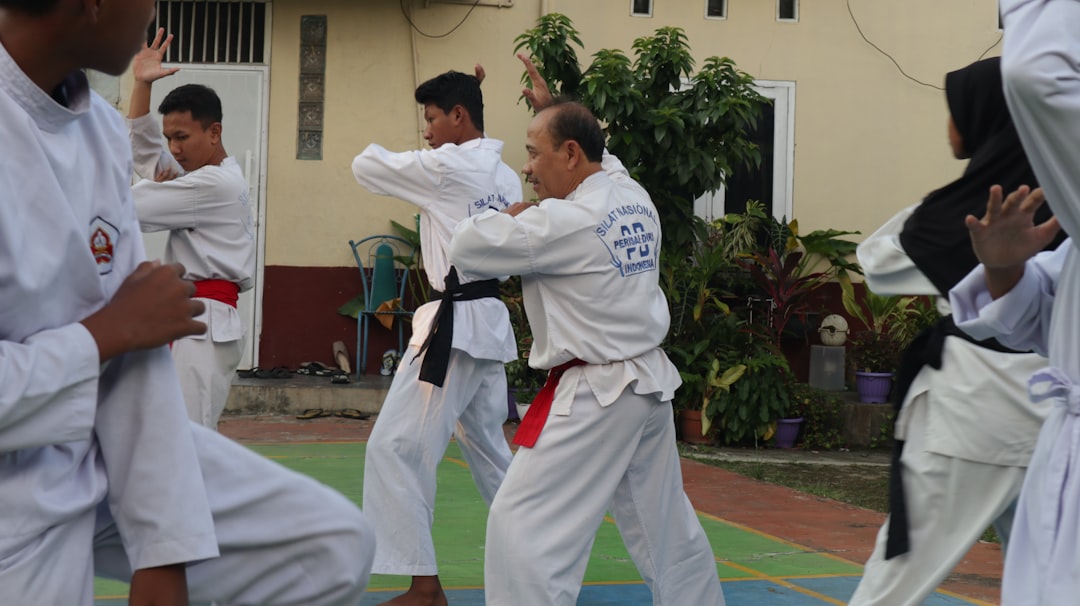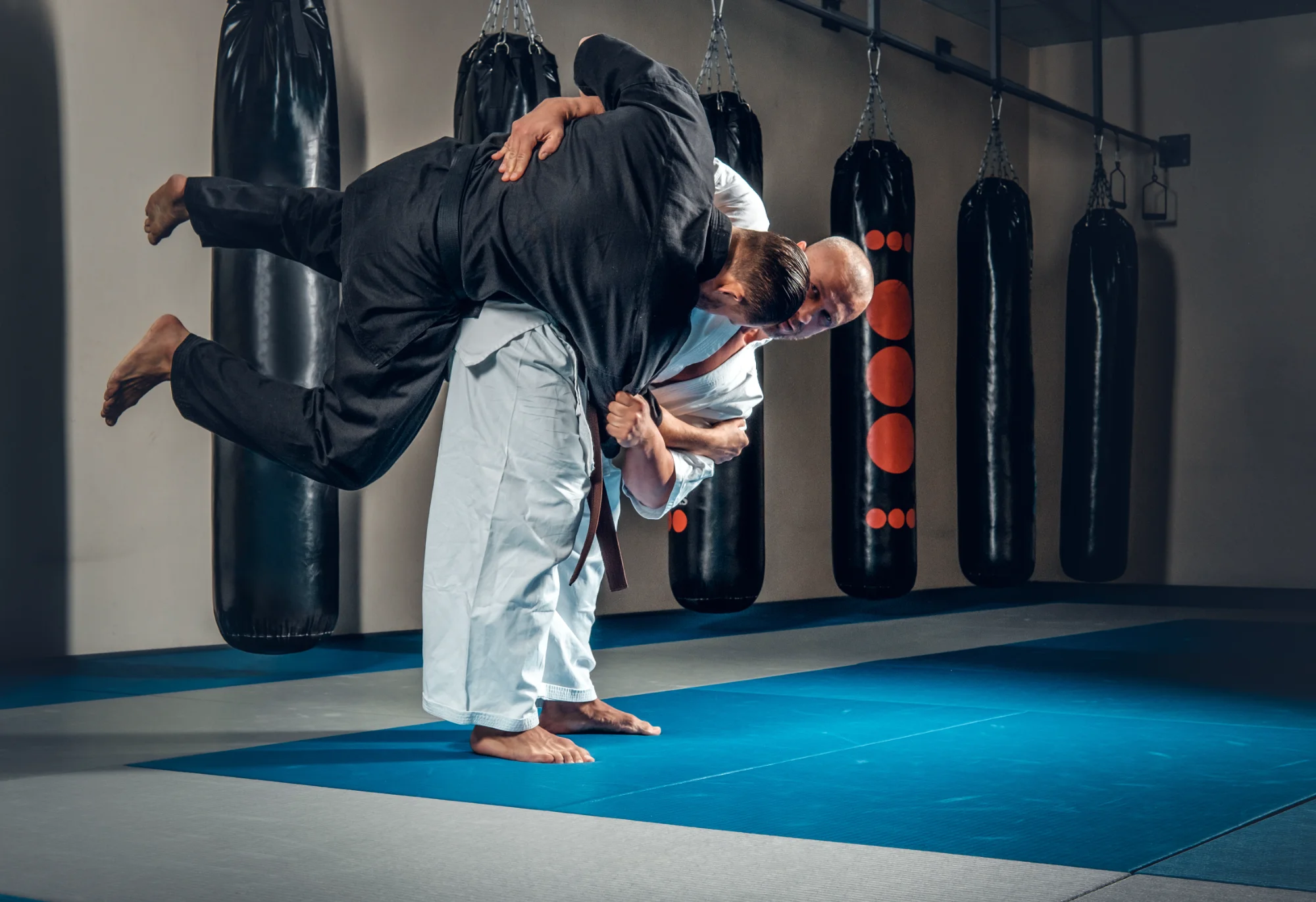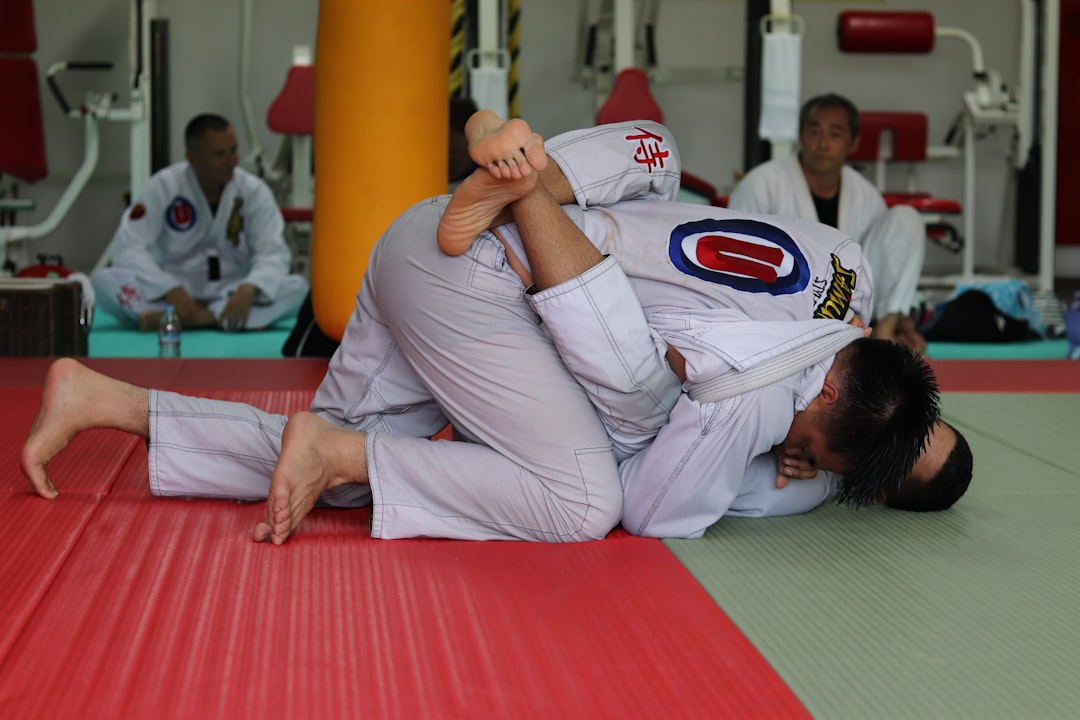
The world of martial arts encompasses hundreds of distinct styles, each with unique philosophies, techniques, and training methods. Whether you’re considering starting martial arts training or simply curious about different disciplines, this guide provides a comprehensive overview of major martial arts styles.
For schools teaching multiple disciplines, martial arts software helps manage the complexity of different belt systems, class types, and curriculum requirements.
Categorising Martial Arts
Striking Arts
Striking arts focus on punches, kicks, knees, and elbows delivered while standing.
Grappling Arts
Grappling arts emphasise holds, throws, joint locks, and ground control rather than strikes.
Hybrid/Mixed Arts
Hybrid arts combine striking and grappling, recognising that real confrontations can happen at any range.
Weapons-Based Arts
These arts centre on traditional weapons training, though they often include empty-hand techniques.
Internal/Soft Arts
Internal arts emphasise energy cultivation, breath work, and subtle movement rather than external force.
Striking Martial Arts
Karate
Origin: Okinawa/Japan Focus: Punches, kicks, blocks, kata (forms)
Key characteristics:
- Emphasis on powerful, focused strikes
- Traditional kata practice
- Point-based or full-contact sparring depending on style
- Formal belt ranking system
Major styles:
- Shotokan — Strong stances, powerful techniques
- Kyokushin — Full-contact, emphasis on conditioning
- Goju-Ryu — Mix of hard and soft techniques
- Shito-Ryu — Diverse kata, balanced approach
Best for: Those seeking traditional training with clear structure and progression.
Taekwondo
Origin: Korea Focus: High, fast kicks; spinning techniques
Key characteristics:
- Spectacular kicking techniques
- Olympic sport status
- Emphasis on flexibility and speed
- Formal patterns (poomsae/tul)
- Sparring with electronic scoring
Major organisations:
- World Taekwondo (WT) — Olympic style
- International Taekwondo Federation (ITF) — Traditional style
Best for: Those who enjoy dynamic kicking and potential competition pathways.
Muay Thai
Origin: Thailand Focus: Punches, kicks, elbows, knees, clinch fighting
Key characteristics:
- “Art of Eight Limbs” — uses all striking weapons
- Heavy emphasis on conditioning
- Clinch work and knee strikes
- Practical, effective techniques
- Rich cultural traditions
Training elements:
- Pad work with trainers
- Heavy bag work
- Sparring
- Conditioning exercises
Best for: Those seeking practical striking skills and rigorous conditioning.
Boxing
Origin: Ancient (modern: England) Focus: Punches, footwork, head movement
Key characteristics:
- Limited to hand strikes
- Exceptional footwork development
- Defensive skills (slipping, bobbing)
- High-level sparring culture
- Professional sport pathway
Training elements:
- Heavy bag and speed bag
- Pad work
- Shadowboxing
- Sparring
Best for: Those wanting focused hand-striking development and combat sports.
Kickboxing
Origin: Various (Japan, USA, Netherlands) Focus: Punches and kicks
Key characteristics:
- Combination of boxing and kicking
- Various rule sets (K-1, Dutch, American)
- Sports-focused training
- Practical self-defence application
Styles:
- American Kickboxing — Above-waist kicks only
- Dutch Kickboxing — Low kicks, boxing emphasis
- K-1 — Japanese rules, major competition circuit
Best for: Those wanting practical striking with both hands and feet.
Kung Fu (Wushu)
Origin: China Focus: Varied by style — strikes, kicks, forms, weapons
Key characteristics:
- Hundreds of distinct styles
- Rich philosophical foundation
- Often includes weapons training
- Acrobatic elements in some styles
- Traditional forms practice
Major categories:
- Northern styles — High kicks, acrobatics
- Southern styles — Strong stances, hand techniques
- Internal styles — Tai Chi, Bagua, Xing Yi
Best for: Those interested in Chinese culture, philosophy, and diverse techniques.
Grappling Martial Arts
Brazilian Jiu-Jitsu (BJJ)
Origin: Brazil (from Japanese Judo) Focus: Ground fighting, submissions
Key characteristics:
- Emphasis on technique over strength
- Position before submission philosophy
- Rolling (sparring) from day one
- Clear belt progression system
- Both gi and no-gi training
Key positions:
- Guard (various types)
- Mount
- Back control
- Side control
Best for: Those who enjoy chess-like strategy and ground-based problem-solving.
Judo
Origin: Japan Focus: Throws, takedowns, ground control
Key characteristics:
- Olympic sport
- Emphasis on using opponent’s force
- Spectacular throwing techniques
- Ground work (newaza) secondary to throws
- Traditional uniform (judogi)
Training elements:
- Ukemi (falling safely)
- Throwing techniques (nage-waza)
- Ground techniques (ne-waza)
- Randori (sparring)
Best for: Those interested in throwing arts with Olympic competition pathway.
Wrestling
Origin: Ancient (various) Focus: Takedowns, control, pins
Key characteristics:
- Olympic sport (Greco-Roman, Freestyle)
- Foundation for MMA
- Intense conditioning
- No submissions (pinning focus)
- Folkstyle popular in US schools
Styles:
- Freestyle — Leg attacks allowed
- Greco-Roman — Upper body only
- Folkstyle/Collegiate — American school competition
Best for: Athletes seeking intense conditioning and takedown dominance.
Sambo
Origin: Russia Focus: Throws, ground work, submissions (in Combat Sambo: strikes)
Key characteristics:
- Military origins
- Combination of Judo and wrestling
- Combat Sambo includes striking
- Sport Sambo focuses on grappling
- Leg locks traditionally allowed
Best for: Those wanting grappling with broader submission options.
Catch Wrestling
Origin: England/USA Focus: Submissions from any position
Key characteristics:
- Historical “no holds barred” approach
- Aggressive submission hunting
- Pin-oriented strategy
- Influence on modern MMA
Best for: Those interested in historical grappling with submission focus.
Hybrid/Mixed Martial Arts
Mixed Martial Arts (MMA)
Origin: Modern (popularised by UFC) Focus: All ranges — striking, clinch, ground
Key characteristics:
- Combines techniques from multiple arts
- Tests what works in live competition
- Continuous evolution
- Professional sport pathway
- Demanding conditioning requirements
Component arts typically trained:
- Boxing/Muay Thai for striking
- Wrestling for takedowns
- BJJ for submissions
Best for: Those wanting complete martial arts development and combat sports.
Krav Maga
Origin: Israel Focus: Self-defence, threat neutralisation
Key characteristics:
- Military-developed system
- Emphasis on practical scenarios
- Includes weapon defences
- Aggressive counter-attacks
- Stress inoculation training
Training elements:
- Scenario-based drills
- Defence against common attacks
- Multiple attacker scenarios
- Weapon threats
Best for: Those focused purely on practical self-defence.
Jeet Kune Do
Origin: USA (Bruce Lee) Focus: Efficient, practical techniques
Key characteristics:
- “Style without style”
- Emphasis on what works for the individual
- Influenced modern MMA thinking
- Philosophical foundation
- Adaptability core principle
Best for: Experienced martial artists seeking personal expression.
Traditional Japanese Arts
Aikido
Origin: Japan Focus: Redirection, joint locks, throws
Key characteristics:
- Non-aggressive philosophy
- Circular movement patterns
- Joint manipulation techniques
- Weapons training (jo, bokken)
- No competition in most schools
Best for: Those interested in defensive philosophy and joint techniques.
Jujitsu (Japanese)
Origin: Japan Focus: Throws, joint locks, strikes
Key characteristics:
- Samurai combat systems
- Comprehensive techniques
- Historical foundation for Judo and BJJ
- Often includes weapons
- Various schools (ryu) with different emphases
Best for: Those interested in traditional complete martial arts.
Iaido/Kendo
Origin: Japan Focus: Sword arts
Iaido:
- Solo forms with sword drawing
- Meditative practice
- Precision and etiquette
- Mental cultivation
Kendo:
- Competitive sword fencing
- Bamboo swords (shinai) and armour (bogu)
- Intense training
- Character development focus
Best for: Those drawn to Japanese sword traditions.
Internal Arts
Tai Chi (Taijiquan)
Origin: China Focus: Slow movements, balance, energy cultivation
Key characteristics:
- Health and wellness focus
- Meditative movement
- Push hands partner practice
- Self-defence applications exist
- Suitable for all ages
Benefits:
- Balance improvement
- Stress reduction
- Flexibility
- Mind-body connection
Best for: Those seeking health benefits and meditative practice.
Wing Chun
Origin: China Focus: Close-range striking, trapping
Key characteristics:
- Economy of movement
- Centreline theory
- Simultaneous defence and attack
- Chi Sao (sticky hands) training
- Wooden dummy practice
Best for: Those interested in close-quarters combat principles.
Choosing a Martial Art
Factors to Consider
Your goals:
- Self-defence focus
- Competition interest
- Fitness and health
- Cultural/philosophical interest
- Social and community aspects
Physical considerations:
- Current fitness level
- Age and flexibility
- Previous injuries
- Body type advantages
Practical factors:
- Schools available locally
- Training schedule compatibility
- Cost considerations
- Instructor quality
Recommendations by Goal
| Goal | Recommended Arts |
|---|---|
| Self-defence | Krav Maga, BJJ, Muay Thai |
| Competition | Judo, Taekwondo, Boxing, MMA |
| Fitness | Muay Thai, Kickboxing, BJJ |
| Flexibility | Taekwondo, Capoeira, Tai Chi |
| Traditional | Karate, Aikido, Kung Fu |
| Health/Wellness | Tai Chi, Aikido |
Try Before Committing
Most schools offer:
- Free trial classes
- Introductory programmes
- Observation opportunities
Try multiple styles before choosing—the right fit matters more than the “best” art.
Summary
Different types of martial arts offer distinct approaches:
- Striking arts (Karate, Taekwondo, Muay Thai, Boxing) focus on punches and kicks
- Grappling arts (BJJ, Judo, Wrestling) emphasise throws and ground control
- Hybrid arts (MMA, Krav Maga) combine multiple ranges
- Internal arts (Tai Chi, Wing Chun) prioritise energy and efficiency
- Weapons arts (Kendo, Escrima) centre on traditional weapons
The best martial art is the one you’ll train consistently in, with quality instruction and a supportive community.
Find Your Martial Arts Path
Whatever style interests you, quality instruction makes the difference. For schools managing multiple disciplines, MyDojo.Software handles diverse belt systems, class types, and student progression across all martial arts styles.
Start your free trial and see how purpose-built software supports your martial arts journey.